姜栢年(字叔久,號雪峯,又號閒溪、清月軒,諡號文貞,1603-1681)
〈詠懷〉
客裏光陰幾送迎,
暮年詩興屬寒坰。
方塘水靜氷涵鏡,
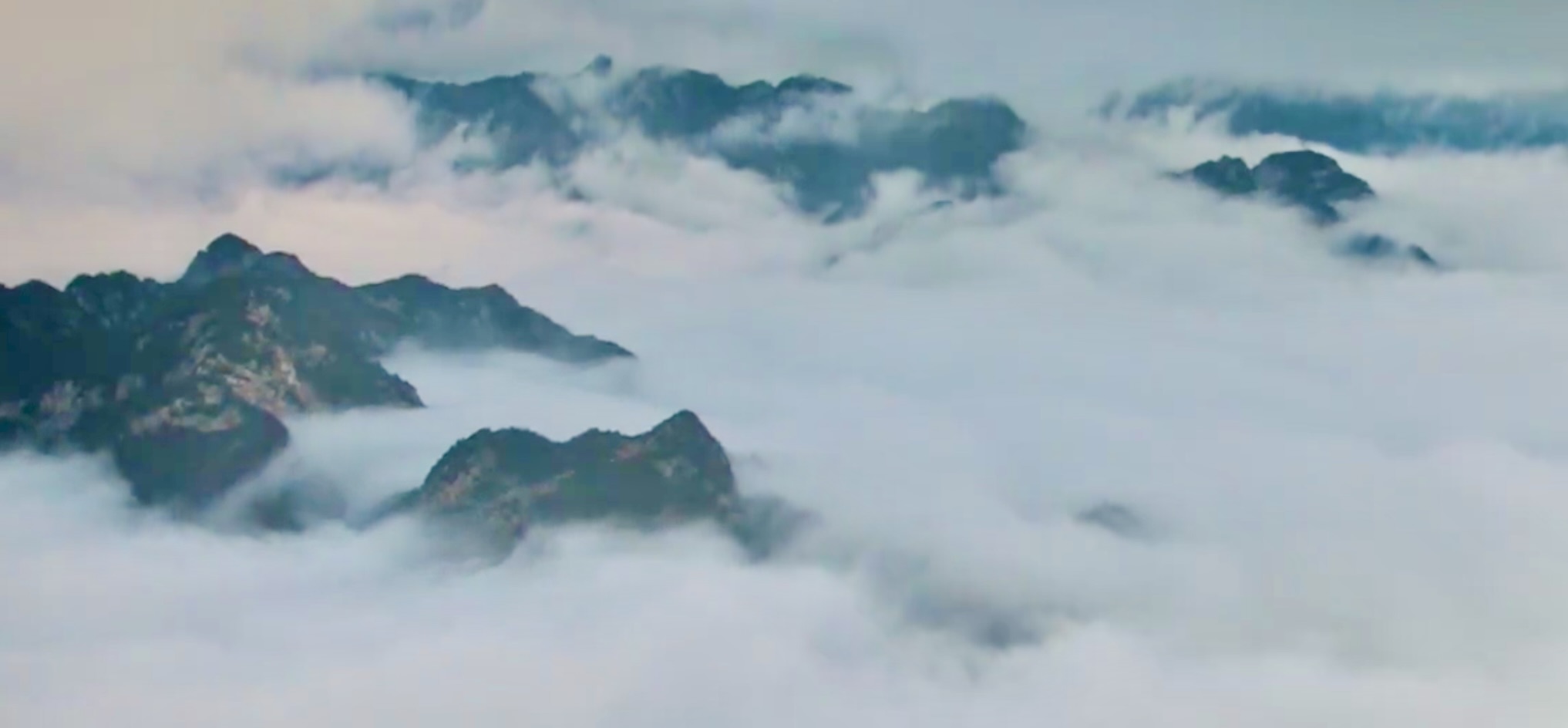
遠岫煙生翠擁屛。
自是凡才羞鶴祿,
非關高蹈任鴻冥。
燒香一室無餘事,
爲向心君喚得醒。
注:五句鶴祿,俸祿微薄之謂也。六句鴻冥,高空也。
강백년 (자는 숙구, 호는 설봉, 한계, 청월헌, 시호는 문정, 1603-1681)
"마음에 품은 생각을 노래합니다"
객지에서의 해와 달
몇 번이나 보내고 몇 번이나 맞이했는지
늘그막 시의 흥취가
춥고 거친 허허벌판입니다
반듯한 연못엔 잔잔한 물에
얼음은 거울을 품었고;
먼 산봉우리에서 피어 오르는 안개는
병풍처럼 둘러친 비취입니다
재주가 평범할 뿐인데
봉록이 박하다고 부끄러워 하나요;
멀리서 은거하는 건 관심이 없으니
기러기 나는 하늘에게 맡겨 두지요
방에 향을 피우는 일 외에
다른 일은 없으니
주인인 마음의
부르심을 행해 깨어 있어야 합니다
주: 다섯째 행의 학록鶴祿은 봉록이 미미하다는 뜻입니다. 여섯째 행의 홍명鴻冥은 기러기 나는 높은 하늘을 이야기합니다.
(반빈 역)
Kang Paeng-nyōn (1603-1681)
"Singing of Thoughts in the Heart"
How many suns and moons
Have I sent away and received being away from home?
But poetic stimuli are like a cold barren field
In these late years of my life.
In the quiet water of the square pond
The ice is holding a mirror;
With the misty clouds rising from remote peaks
Jade mountains are spread like a folding screen.
Without any notable talents, would I feel ashamed
Of the meager emolument?
Not being motivated, I shall entrust to the geese-flying sky
The idea of living in seclusion far away.
Without anything to do
Other than burning incense in the room,
I shall remain awake
For the calling from my heart, my lord.
Notes: The word helu, literally, "emolument for cranes" in line #5, stands for a meager salary. The word hongming, which combines geese and dark sky, is used to refer to the high sky.
(H. Rhew, tr.)
'한국 한시선(韓國漢詩選)' 카테고리의 다른 글
| 강백년,"객지에 살며 客居" (0) | 2026.06.17 |
|---|---|
| 강백년,"아픈 이 病齒" (0) | 2026.06.15 |
| 강백년,"눈雪을 노래합니다 咏雪" (1) | 2026.06.11 |
| 강백년,"매화 梅" (0) | 2026.06.09 |
| 강백년,"서쪽 정벌군을 위해 슬퍼합니다 哀西征軍" 두 수의 둘째 (0) | 2026.06.07 |