朴長遠(字仲久,號久堂,又號濕川,1612-1671)
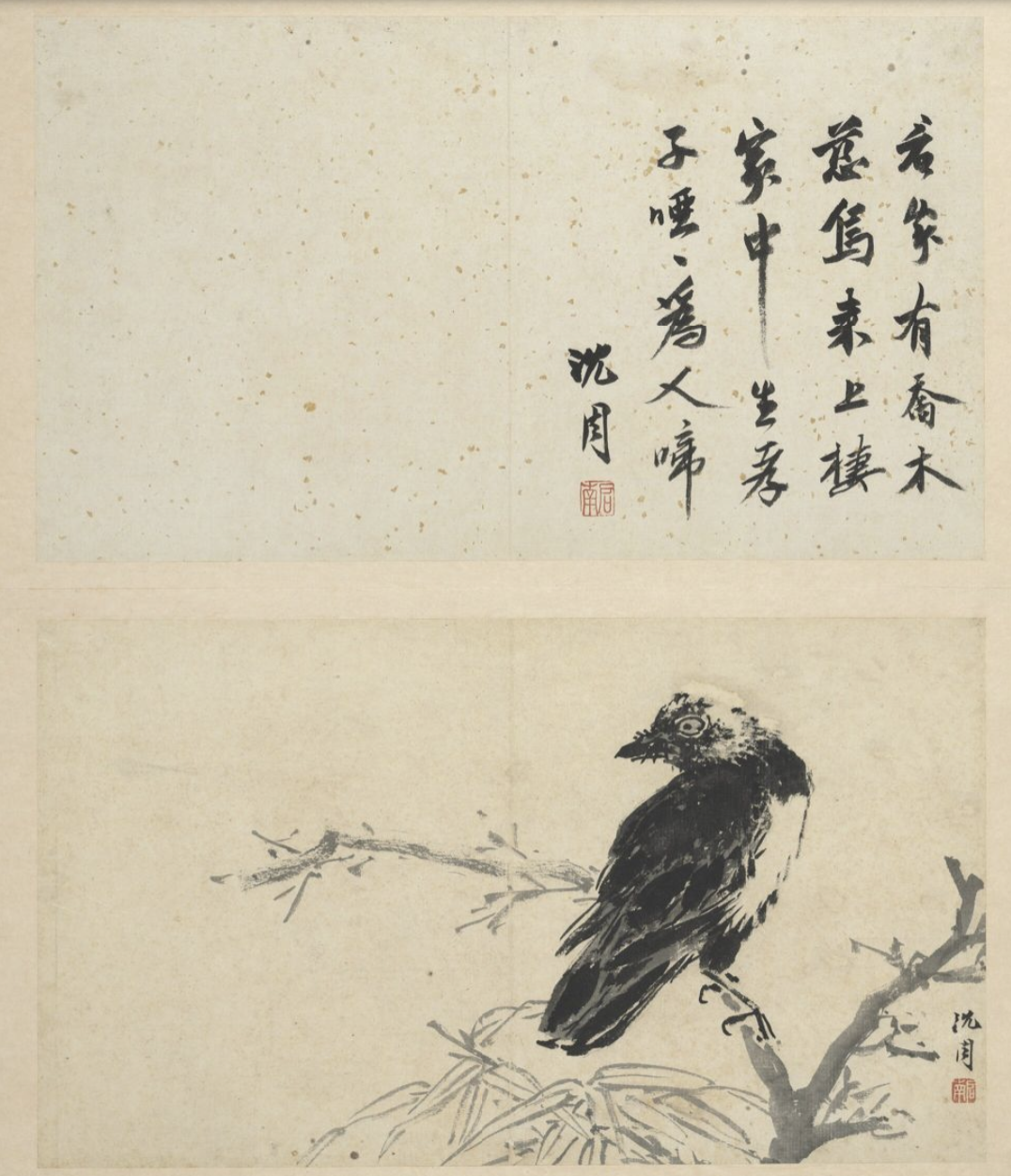
〈反哺烏〉
士有親在堂,貧無甘旨俱。
微禽亦感人,淚落林烏哺。
注:《本草纲目·禽部》:「慈乌:此鸟初生,母哺六十日,长则反哺六十日。」《初學記》:「雛既壯而能飛兮,乃銜食而反哺。」
박장원 (자는 중구, 호는 구당, 또는 습천, 1612-1671)
"어미새를 먹이는 효심 있는 까마귀"
선비는 부모가 집에 계시는데도
가난해서 맛있는 음식을 갖추어 드리지 못하는데
미물인 새가 사람을 감동시키며
숲 속의 어미 까마귀를 먹이니 눈물겹습니다
주: 언제 시작되었는지 모르나 우리에게는 까마귀가 흉조라는 생각이 있습니다. 그러나 한문전통에서는 까마귀가 효심의 상징이기도 합니다. 《본초강목·금부》:"이 새는 태어나면 어미새가 60일 동안 먹이고, 자라서는 어미새를 60일 동안 먹인다." 《초학기》:"새끼새가 자라서 날 수 있으면 먹이를 물어다 어미를 먹인다."와 같은 문헌근거가 보입니다.
(반빈 역)
Pak Chang-won (1612-1671)
"A Filial Crow Repaying by Feeding the Mother Crow"
A scholar like me, whose parents are in the house,
Is poor and unable to give flavorful food for them.
A worthless bird is so moving
That it feeds the mother crow, letting me to drop tears.
Note: Crows may be viewed as inauspicious bird in some modern cultures, but literary traditions in China celebrates them as a symbol of filial piety. There are multiple literary sources that describe their behavior of repaying the mother crow by bringing food to her.
(H. Rhew, tr.)
'한국 한시선(韓國漢詩選)' 카테고리의 다른 글
| 홍주세,"동짓날 홀로 앉아 있다 우연히 읊습니다 至日,獨坐偶吟" (0) | 2026.01.17 |
|---|---|
| 홍주세,"대나무를 노래함 詠竹" (0) | 2026.01.15 |
| 박장원,"스님께 드립니다 贈僧" (0) | 2026.01.11 |
| 박장원,"귀양가는 친구를 보내며 送謫客" (1) | 2026.01.09 |
| 박장원,"마음 속 생각을 씁니다 書懷" (0) | 2026.01.07 |